Your Great Falls roof must withstand extreme sun exposure, wind stress, snow loads, and temperature fluctuations. Metal roofing generally surpasses traditional asphalt in withstanding impact, fire, uplift, and accelerated weathering, plus moves snow off more readily. Look for shingle cracks, flashing gaps, water intrusion, granule deterioration, or sagging areas after storms occur. A experienced roofer will check the decking, underlayment, ventilation, evaluate storm damage, and advise repair or replacement for durability and performance.
Main Highlights
- Roofs in Great Falls need to resist intense UV, strong wind, heavy snow, and thermal cycles leading to trigger leaks and material breakdown.
- Metal roofs last for 40 to 70 years, withstand wind forces, fire, and impact damage superior to traditional asphalt, and clear snow readily.
- Asphalt shingles price lower in advance although they degrade quicker, showing curling, crack development, and granule loss under Great Falls weather.
- Problem signs involve shingle cracks, lifted flashing, rusted valleys, ceiling discoloration, attic condensation, and storm damage over various roof slopes.
- Roofing experts in Great Falls complete inspections, leak diagnostics, storm repairs, emergency tarping, and quality metal roof installation featuring proper underlayment and flashing.
The Way Great Falls Weather Affects Roofs
Given that Great Falls gets strong sunlight, high winds, hail, snow loads, and rapid temperature swings, your roofing bears continuous stress that cuts service life. Ultraviolet radiation dries roof materials, deteriorates seals, and accelerates wear. Strong wind separates perimeter areas, sends water into unprotected areas, and weakens flashing materials around roof openings.
Heavy snow imposes pressure, and ice blockages block moisture along eaves and boost leaking potential. Repeated freeze thaw cycles open small cracks, divide seams, and deteriorate the underlayment. Ice pellets damage protective surfaces, break protective coatings, and expose substrates to moisture entry. You additionally face microclimate influences: south-facing sections warm up more quickly, areas in shade stay wet extended periods, and areas facing wind deteriorate harder. Regular inspections allow you identify weather damage promptly, preserve water drainage
Metal Roofing compared to Shingles in Great Falls
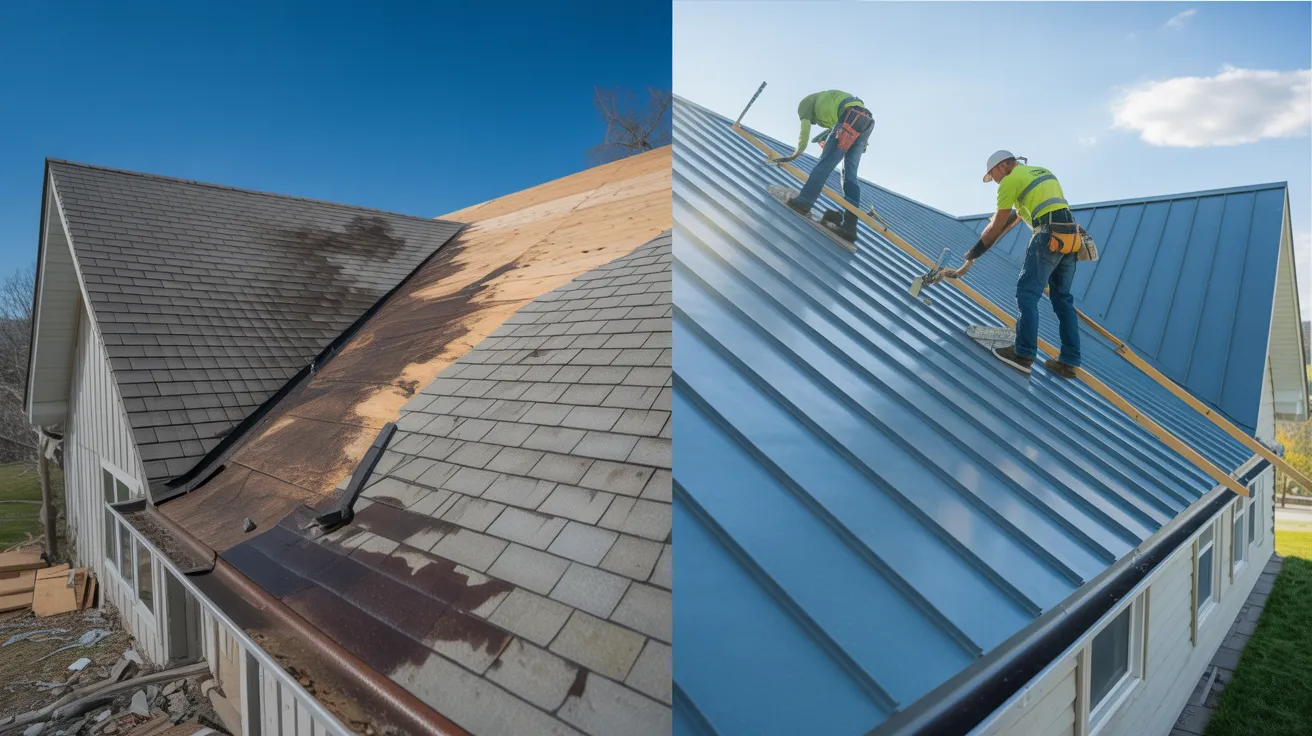
Should you compare metal roofing to asphalt shingles in Great Falls, the determination typically relies on weather resistance, lifespan, service requirements, and long-term cost. Metal roofs resist wind, fire, and impact events more than shingles, and they typically last 40 to 70 years instead of 15 to 30.
Generally, you'll spend more upfront for metal, but you may swap out it more rarely and execute fewer repairs. Shingles cost less initially and provide easier targeted fixes, but they can curl, crack, or shed granules quicker. Metal also allows for smooth snow shedding, which can limit snow accumulation when properly designed with guard systems. In the event you're considering adding solar panels, metal roofing generally provides simpler installation opportunities and fewer penetrations. Your ideal selection comes down to your budget, how long you intend to stay, and your comfort level with maintaining it.
Why Metal Roofing Works in Montana
Built for temperature swings, strong gusts, heavy snow, and powerful sun radiation, metal roof systems performs well in Montana's demanding climate. Your home receives a solution that withstands temperature changes, drains water fast, and maintains structural integrity through freeze-thaw cycles. Overlapping metal sections, hidden hardware, and modern coatings reduce uplift, corrosion, and sun damage.
You will also enjoy superior snow drainage, which lowers roof snow loads and defends the framing. Since metal roofing deflects solar radiation, it can reduce attic heat in hot, dry weather periods. Its limited water absorption maintains performance during winter precipitation events. Long-lasting metal roofing counts in Montana, where continuous weather stress may reduce inferior roofing products. Through suitable underlayment, proper ventilation, and quality installation, the roof remains durable, power-efficient, and reliable for many years to come with almost no maintenance needed.
Signs You Need Roof Maintenance
Catching roofing issues in time stops damage to structure, leaks indoors, and costlier replacements. Watch for shingle breaks, lifted flashing, exposed hardware, rust spots in valleys, and broken sealant at vents, skylights, and chimneys. Upstairs, be alert to ceiling discoloration, waterlogged insulation, mold colonies, or light penetration through decking.
Post-storm, watch for dents from impact, shifted sections, and missing granules in gutters. Loss of granule particles supports detection of damaged asphalt shingles before moisture breaches the underlying layer. Insufficient ventilation in the attic causes alarm indicators: excessive warmth, frosting, moisture accumulation, and early-onset curling. Should your power bills spike unexpectedly, excess humidity and heat could be compromising the roof.
Request repairs should you notice low-hanging sections, continuous water leaks, or wobbly trim. Immediate action keeps safe decking, insulating material, and finished spaces.
Why Roof Replacement Makes More Sense
You should think about roof replacement when storm damage affects large sections, compromises structural components, or exceeds practical repair limits. If you keep paying for recurring leaks, failed patches, or repeated service calls, new roof installation often gives you superior long-term savings. An aging roof system near or past its expected lifespan can't protect your home reliably, even if isolated repairs still seem possible.
Severe Weather Damage
When a major storm impacts extensive areas of your roofing, a full replacement often provides superior financial and structural sense compared to multiple repairs. Following hail aftermath, wind uplift, or punctures from fallen branches, you may have compromised decking, saturated underlayment, and extensive shingle damage that fix-ups can't reliably isolate.
You need a comprehensive evaluation, not patchwork. Weather damage often break seals, loosen fasteners, and create hidden moisture paths around valleys, vents, and flashing. Even after debris removal, standing water can continue damaging insulation and sheathing underneath. If damage impacts several slopes or exposes the roofing system, new installation provides consistent protection, code compliance, and manufacturer-backed performance. It additionally allows you upgrade ventilation, underlayment, and impact-resistant materials so your next Great Falls storm won't exploit the same weak points again.
Ongoing Repair Expenses
Frequently, recurring leak repairs, shingle replacements, and flashing fixes accumulate higher costs than a scheduled roof replacement. If you're requesting maintenance every season, you're probably caught in spending cycles that deplete your finances without addressing deck, ventilation, or underlayment problems. Small patch jobs can restore temporary function, though they rarely deliver system-wide performance.
You should evaluate yearly repair costs against replacement pricing, rising labor costs, and material matching problems. Repeated fixes also create warranty gaps, especially when several contractors handle different sections or incompatible products. Those gaps may leave you covering costs yourself when new failures emerge near previous repairs. A complete replacement provides you one integrated assembly, predictable installation standards, and a cleaner maintenance schedule. Often, that reset reduces overall roofing expenses and minimizes operational disruption significantly.
Aging Roofing Systems
moisture problems after weather events. Repairing visible damage alone won't correct systemwide deterioration.
Roof replacement provides a superior choice when inspections identify roof deck moisture, extensive granule erosion, insulation damage, or inadequate ventilation that intensifies thermal stress. Consider additionally code upgrade needs, fastening strength, and material compatibility regarding modern material options. Complete replacement enables correction of concealed defects, enhance water drainage, and apply a setup designed for current environmental requirements. Greater upfront expenditure is needed, yet emergency repairs reduce, interior damage prevention occurs, and long-term cost savings materialize.
Great Falls Roofing Professionals Address Storm Damage
Because intense storms can compromise a roofing system in minutes, Great Falls roofers start storm-damage work with a rapid, organized evaluation of shingles, flashing, underlayment, decking, and metal panels to locate both obvious damage and concealed moisture paths.
Post-storm evaluation results, you receive comprehensive records of damage levels, moisture problems, and structural concerns. Following storm damage assessment, scope documentation of damage, moisture, and structural risks is created. Removal of debris begins first to halt further surface harm and preserve drainage function. Vulnerable sections receive coverings, holes are patched, raised shingles are repositioned, flashing components are secured, and fastener reliability on metal regions is verified. If moisture reaches decking, water intrusion testing, delamination evaluation, and fungal risk detection occurs before approving fixes. Images and measurements back claim submissions and guide prioritization of urgent stabilization rather than aesthetic updates.
Metal Roofing Installation Procedures
Starting with tear-off to completed trim, metal roofing installation process maintain required order protecting residences and assuring system function. Old roofing takeoff commences first, assessment of decking is completed, and damaged deck sections get substituted. Pitch check, dimension confirmation, air circulation path review, and fastener location marking follows achieving proper positioning.
Afterward, edge trim materials, moisture barriers, and backing material selection are determined by climate factors, roof slope, and code standards. Starting from squared alignment, sheets are fastened using manufacturer-specified spacing. In seam-locked configurations, vertical elements are secured firmly and aligned consistently channeling water flow and allowing for thermal movement. At the end, roof penetrations get sealed, peak and edge components are installed, critical junctures are sealed, and a final walkthrough with checklist verifies weather protection and appearance.
Roofing Offerings Supplied by Great Falls Experts
If you need either a basic repair or a complete roof replacement, Great Falls roof specialists generally perform evaluations, leak identification, storm damage restoration, reroofing, new roof setup, and routine maintenance for residential and commercial buildings.
In addition to basic services, you can employ them for flashing installations, ventilation corrections, gutter setup, skylight sealing work, and ice dam removal. If severe weather damages roof decking, they can conduct temporary tarping to prevent moisture entry before permanent repairs. For mature systems, they inspect underlayment materials, attachment points, roof penetrations, and drainage conditions, then advise targeted repairs or total replacement when appropriate. Several companies service shingle roofing, standing seam metal, membrane systems, and roof coatings. They may catalog damage for insurance documentation and organize routine maintenance to catch sealant issues, rust, panel separation, and clogged roof valleys before such problems shorten your roof lifespan.
How to Select Your Great Falls Roofing Professional
Upon selecting a Great Falls roofing contractor, check they maintain adequate licensure and have up-to-date liability and workers' compensation insurance. Then, compare the roofing materials they advise allowing you to align performance standards, service life, and cost with the job. You should also to evaluate the local expertise, as roofing contractors familiar with Great Falls climate patterns and code standards generally produce superior results.
Verify Licensing And Insurance
Before signing a roof contract in Great Falls, ensure that the contractor maintains the Montana professional license and holds both general liability and workers' compensation insurance. Never rely on verbal assurances. Request their licensing information, business name, and copyright information, subsequently execute license verification through state databases and local registration databases. Check the firm name on every record.
For try now policy verification, demand that current insurance certificates be transmitted straight from the insurance company or agent. Examine policy identification, dates of coverage, policy limits, and policy exclusions. Confirm that workers' compensation insurance protects every employee working
Assess roof materials
Given that Great Falls roofs experience hail, strong winds, heavy snow, and dramatic temperature changes, it's essential to assess materials using performance, service life, maintenance demands, and total installed cost—beyond merely the initial estimate.
Asphalt shingles generally deliver the lowest installation cost, though impact resistance ratings, wind coverage warranties, and granule loss prove important. Metal carries greater initial expenses, but it sheds snow, offers fire resistance, and provides better thermal performance via reflective finishes. Synthetic slate and composite shingles reduce weight loads while enhancing impact durability, although material quality differs. Request manufacturer data regarding Class 4 impact ratings, wind uplift, ice dam prevention, and anticipated longevity. You must also evaluate underlayment, ventilation compatibility, fastener requirements, and repairability. An budget-friendly roof may prove more expensive later if it deteriorates prematurely or demands frequent storm-related maintenance and replacement.
Review local background
Material selection is important, yet the contractor's area reputation often shapes performance that installation performs in Great Falls. You must check how long a roofer worked in the region and whether experience exists with hail, snow load, chinook winds, and freeze-thaw cycles on comparable properties. Local history indicates whether teams understand ventilation, ice dam prevention, flashing details, and code requirements specific to Cascade County.
Ask for locations of latest work, then review workmanship from the street. Check client reviews for patterns: scheduling, cleanup, warranty response, and change-order accuracy. You should also verify supplier relationships and permit familiarity, because established local roofers usually source materials faster and handle permits without unnecessary delays. A roofer who has Great Falls experience minimizes installation dangers and improves sustained roof durability for your home.
Popular Client FAQs
Can local Roofers provide payment possibilities for replacement roofing systems?
Yes, many Great Falls contractors make available payment plans for new roofs. You can often decide on financing plans through the contractor or from a third party. Count on terms based on job cost, finance period, and personal credit standing. Most providers require background checks preceding funding, and some offer promotional rates for approved borrowers. You should APR, fees, down payment requirements, and prepayment terms before signing any roofing financing agreement.
Are roofing estimates in Great Falls typically without charge?
Yes, roofing estimates in Great Falls are generally free, especially when contractors deliver free inspections for repairs or replacements. You should expect a detailed estimate that outlines materials, labor, timeline, and cost breakdowns. Some companies may bill for detailed reports, specialty diagnostics, or insurance documentation. Before you schedule, determine what the estimate covers, whether inspections are complimentary, and if extra charges apply to complex roof conditions or access.
How long do roofing warranties usually last in Great Falls?
Like a protective shield for your roof, warranties in Great Falls usually run 20–50 years for Manufacturer warranties, depending on material and product tier. You'll often get Labor warranties for 2–10 years, though some contractors offer longer coverage. You should check what's prorated, transferable, and excluded, especially for wind, ventilation, and installation errors. Read the fine print so you recognize exactly what protection you're actually purchasing before signing.
Is it possible to schedule roof work during winter in Great Falls?
Yes, you can plan roof work during winter in Great Falls, but you'll require weather-dependent planning. You can accomplish Winter repairs safely when teams track temperature, wind, ice, and supply handling limits. You should expect delays during storms or extreme cold. Snow clearing often comes first so crews can reach decking, locate leaks, and attach flashing. You'll experience better results when you arrange early and be flexible with scheduling windows.
Can Great Falls roofing companies help with insurance paperwork?
Yes, many roofing firms in Great Falls support you with insurance paperwork after impact damage or storms. You'll often get insurance help through documented inspections, photographic evidence, scope summaries, and estimate comparisons. They may also assist claim coordination by meeting adjusters, clarifying repair quantities, and aligning line items to policy coverage. You should still inspect your claim carefully, because your insurance copyright authorizes payment terms, depreciation, deductibles, and final settlement amounts.
Summary
In Great Falls, your roofing structure has to handle wind, snow, hail, and rapid temperature swings without failing. That's why finding the right roofer matters. Metal roofs stands out because they can last 40–70 years—often two to three times longer than traditional asphalt shingles. When you respond early on repair or replacements, you defend your property, lower extended costs, and increase performance. Connect with Great Falls roofing specialists who understand local conditions and fit systems built to last.